

Scleroderma Kidney Complications
About Scleroderma Renal Crisis
SRC is most common in people with diffuse systemic sclerosis, especially during the first few years after diagnosis. Early detection and treatment are critical.
Risk Factors of Developing Scleroderma Renal Crisis includes:
- Rapidly progressing diffuse systemic sclerosis, especially in the first years
- Having tendon friction rubs
- Prior use of high-dose corticosteroids
- Presence of anti-RNA polymerase III (RNAP III) antibodies in a blood test, which are linked to higher SRC risk
- New anemia, which may be an early sign of SRC
- Cardiac complications such as heart failure or pericardial effusion
SRC can also cause changes in the body’s renin-angiotensin system, which helps regulate blood pressure. When this system becomes overactive, blood pressure may continue to rise rapidly and worsen kidney damage.
Symptoms of Scleroderma Renal Crisis
A sudden increase in blood pressure (usually over 150/85 mmHg) is often the earliest and most important warning sign. This rise in blood pressure can cause an almost immediate decline in kidney function.
Symptoms to watch for include:
- Headache
- Blurred vision or other visual changes
- Shortness of breath
- Fatigue
- Swelling in the legs or feet
- Fever
- General malaise
- Decreased urination (oliguria)
- Blood or protein in the urine
- Rising creatinine or blood urea nitrogen (BUN)
- Pulmonary edema (fluid in the lungs)
- Seizures in severe cases
Scleroderma Renal Crisis Treatments
The main treatment for SRC is a class of blood pressure medications called angiotensin-converting enzyme (ACE-I) inhibitors. These medications can help lower blood pressure quickly and protect kidney function.
Many patients may need more than one medication to control blood pressure. If treatment begins early and blood pressure is brought under control, kidney damage may improve or even reverse over time.
In severe cases, hospitalization may be needed. Some people may require dialysis if the kidneys stop working properly. In rare cases, a kidney transplant may be considered.
What Can You Do to Help Protect Your Kidneys?
There are things that you can do to help protect your kidneys, including:
- Learn how to check your blood pressure and monitor it regularly
- Report sudden increases in blood pressure to your doctor right away
- Avoid or minimize the use of corticosteroids when possible
- If possible, minimize use of NSAIDs like ibuprofen or naproxen, which may affect kidney blood flow
- Keep up with regular lab work and kidney monitoring
- Stay in close contact with your rheumatologist if your disease is progressing quickly
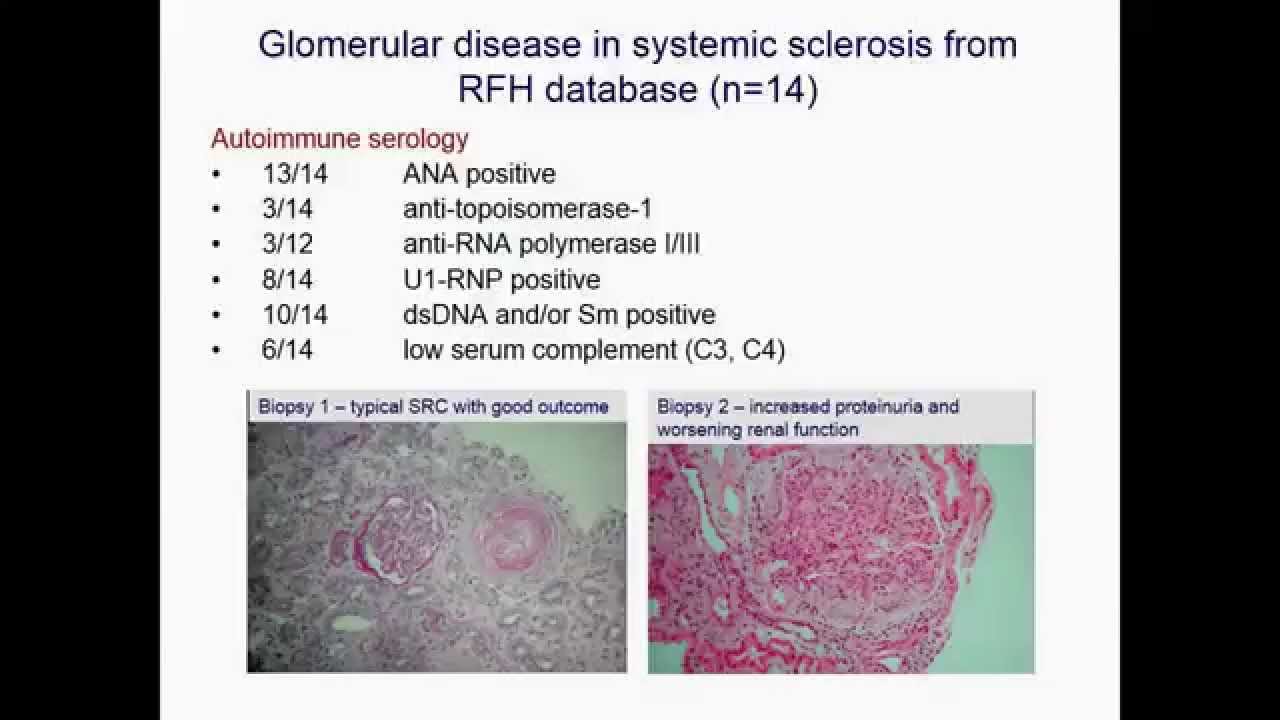
SRF Webinar on Scleroderma in the Kidney
Dr. Christopher Denton, with the Royal Free and University Hospital in the UK, is an expert on renal complications in scleroderma. In this session he provides insights on its impact for scleroderma patients.