Pulmonary Arterial Hypertension (PAH) & Scleroderma: Complications and Treatments
About Pulmonary Arterial Hypertension (PAH)
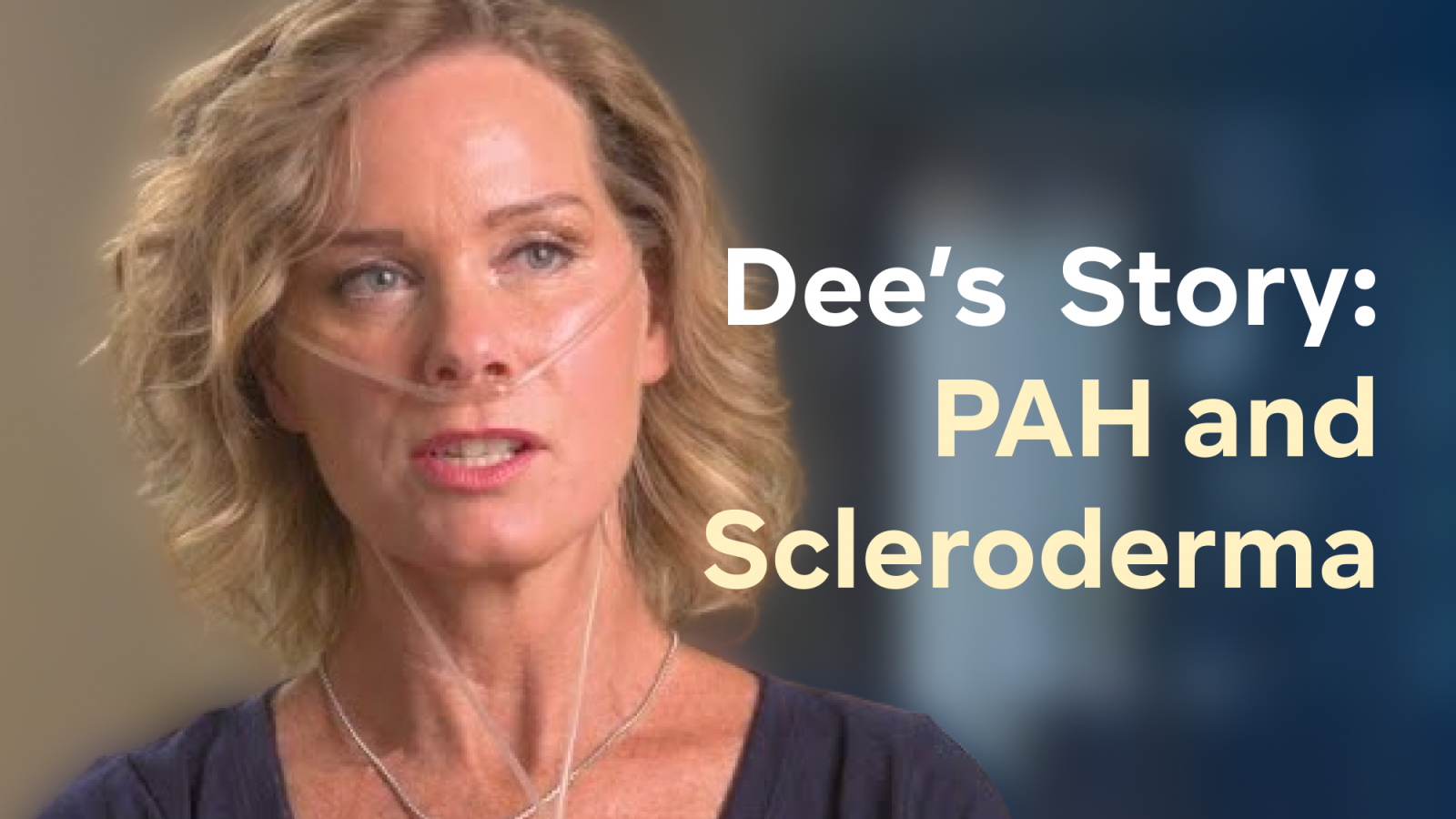
PAH is a leading cause of disability and death among these patients with systemic sclerosis. It occurs in 8%-12% of patients and accounts for 30% of deaths because symptoms of PAH in scleroderma are often not recognized early.1 PAH is more commonly seen in people with limited cutaneous scleroderma.
Part of the problem is that there are few very early symptoms of PAH in scleroderma. These are often mistaken for a general lack of fitness. Regular screening is very important, because people with scleroderma are at high risk for PAH. In some cases, heart and lung involvement may be present before symptoms become obvious.
Symptoms that develop are often typical of other conditions (such as asthma). This can cause a further delay in diagnosis. Patients with pulmonary arterial hypertension in scleroderma may experience:
- Shortness of breath during normal activities
- Tiredness or fatigue
- Chest pain
- Rapid heartbeat
- Pain in the upper right side of the abdomen
- Decreased appetite
- Swelling of feet, ankles, legs
- Fainting, dizziness, light-headedness
- A bluish color in the lips and skin
Predicting PAH
It’s not possible to predict whether a person with scleroderma will develop PAH, but certain blood tests can offer useful clues. Autoantibody blood tests can give useful information about which organs may be at more risk. Autoantibodies are proteins produced by the immune system that can act as markers for how the disease might behave. Anti-centromere antibodies (ACA) are specific to scleroderma, and they are associated with a slightly increased chance of developing PAH.
Screening for and Diagnosing Pulmonary Arterial Hypertension (PAH) in Scleroderma
Everyone diagnosed with scleroderma should be screened for PAH. This screening includes an echocardiogram (heart ultrasound), pulmonary function tests, and questions about shortness of breath. This screening should happen when a patient is first diagnosed and then every year after.
If the ratio between two lung function measurements—forced vital capacity (FVC, how much air you can forcefully exhale) and diffusing capacity of the lungs for carbon monoxide (DLCO, how well oxygen passes from your lungs into your blood—is too high, doctors recommend a referral for right heart catheterization. This is a procedure where a thin tube is guided into the heart to measure blood pressure directly. It is the only test that can definitively confirm a PAH diagnosis.
A blood marker called NT-proBNP has been linked to the development of PAH in scleroderma patients, and doctors now use it as part of screening tools to help identify who may need further testing.
Treatments for Pulmonary Arterial Hypertension (PAH) in Scleroderma
Treatment for PAH in scleroderma is more effective if it is identified in earlier stages. Sadly, patients rarely report early symptoms such as shortness of breath and fatigue. They may be severely affected by the time their PAH is diagnosed. There is no cure for PAH in scleroderma, but treatment can help to relieve symptoms, improve function, and slow the progression of PAH in scleroderma.
One target for PAH treatment is endothelial cells, which have many functions in our blood vessels. Endothelial cell dysfunction was discovered to be a key trigger for the development of vascular damage in systemic sclerosis. PAH is a major consequence of this damage. This discovery led to development of several treatment options over the past 20 years.
If you do develop PAH in scleroderma, your doctor can recommend a treatment that suits you. Medications for scleroderma-related PAH may be injected, inhaled, or taken by mouth. The goal of these PAH treatments is to relax the blood vessels in the lungs (phosphodiesterase inhibitors; PDEs inhibitors) and reduce excess cell growth (endothelin receptor antagonists), so that blood can flow more easily. Early diagnosis and treatment can help improve quality of life and may slow the progression of the disease.
SRF Webinars: Scleroderma and Pulmonary Arterial Hypertension (PAH)
Explore pulmonary arterial hypertension in scleroderma, including screening, diagnosis, treatment advances, and expert guidance for living with this serious complication.