

Raynaud’s Awareness Month
The Facts of Raynaud’s Phenomenon
90% of people with scleroderma experience this complication
Reduced blood flow causes fingers to change color, as well as pain and numbness
Kim Shares Her Story for Raynaud’s Awareness Month
Each year, we spotlight real stories from community members living with Raynaud’s. Hear directly from Kim A. (dx 2003) about what it’s like to live with Raynaud’s phenomenon alongside scleroderma, from the daily challenges to the moments of strength along the way.
Get Involved for Raynaud’s Awareness Month
Raynaud’s Awareness Month comes around every February, and there are always new ways to take part and make a difference. Here’s how you can get involved when it comes around again.
Use Our Custom Raynaud’s Awareness Profile Frame
Show your support by updating your social media profile with our Raynaud’s Awareness frame this month! This small but powerful action helps spread awareness throughout Raynaud’s Awareness Month.
Share Your Story
If Raynaud’s has been part of your scleroderma journey, sharing your experience can help others feel less alone and bring awareness to a symptom that’s more serious than most people realize. Contact us if you’d like your story featured on our social media and blog.
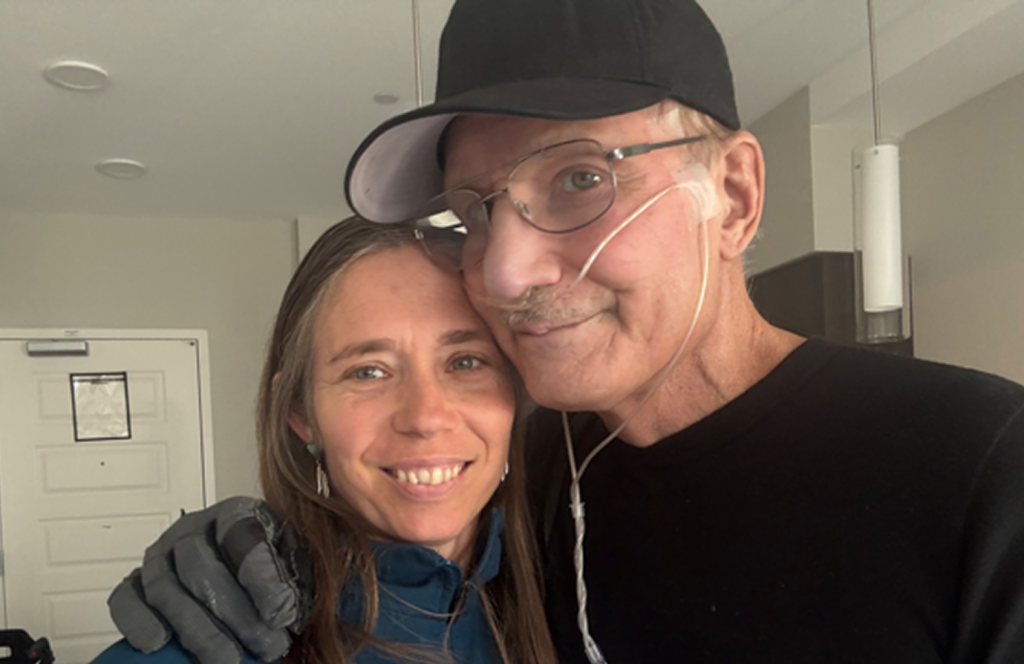
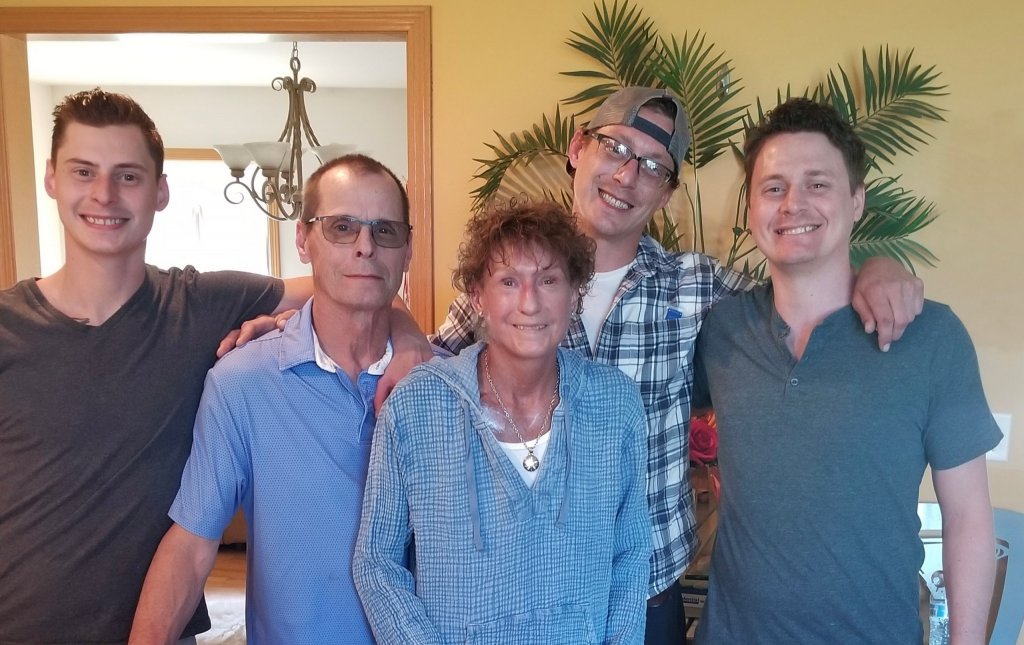
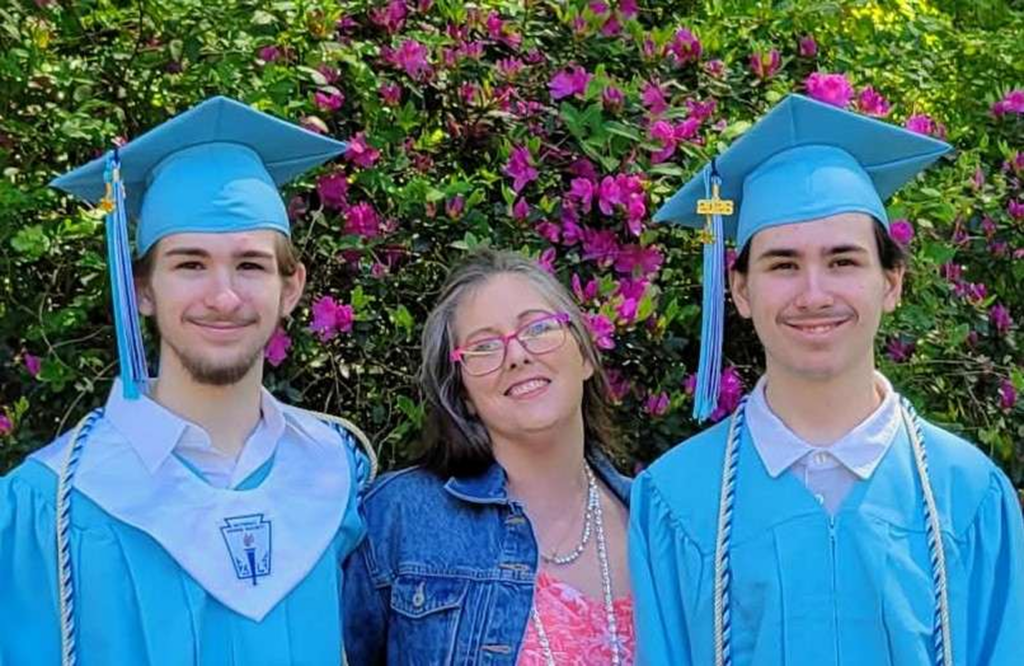
Hear From Others in the Community

Hear from Experts in our Past Raynaud’s Webinars
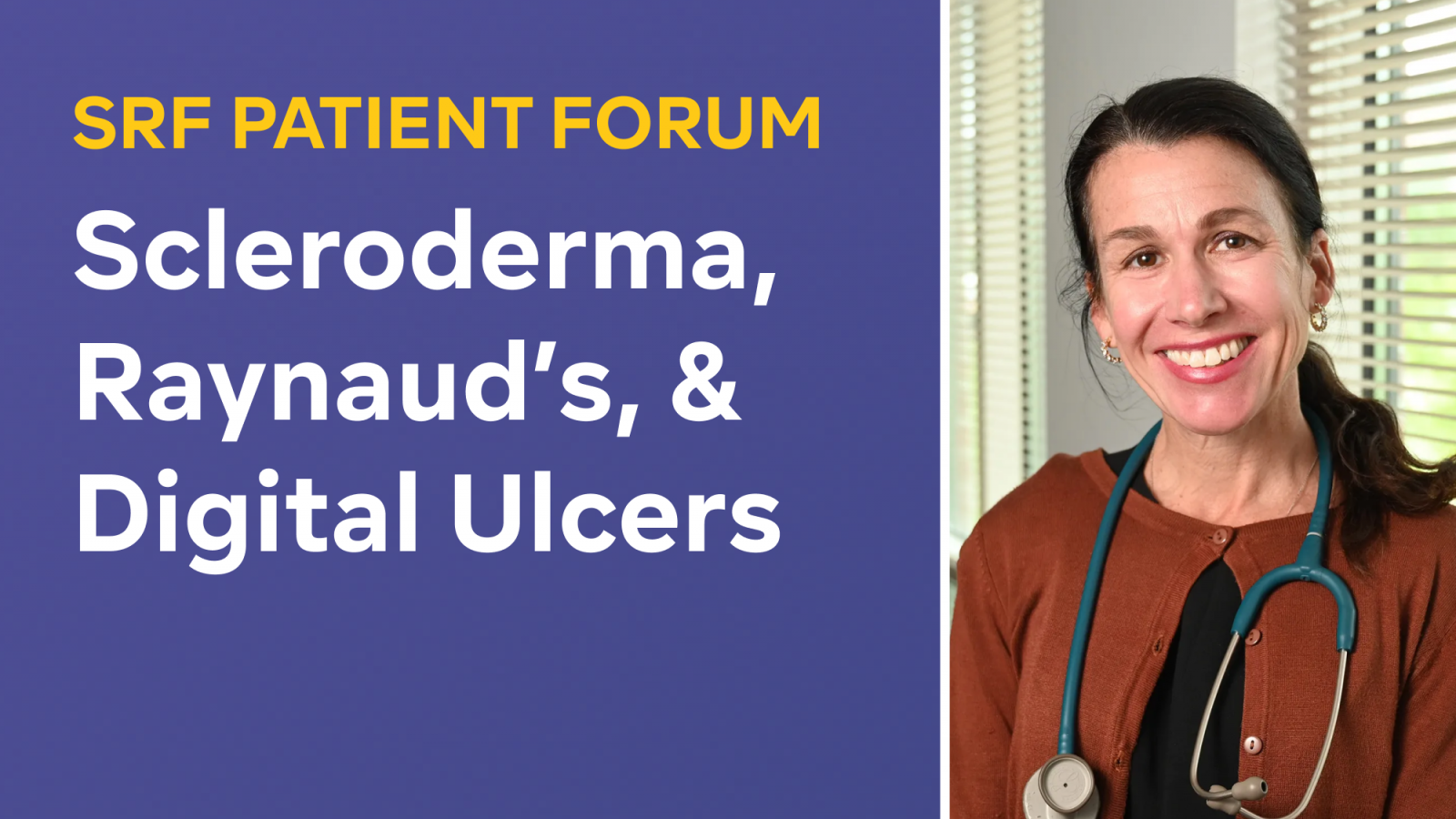
For Raynaud’s Awareness Month 2026, the SRF hosted a free virtual webinar featuring a leading expert in scleroderma and Raynaud’s phenomenon, Dr. Tracy Frech (Vanderbilt University).
Her most recent session covered why Raynaud’s occurs in systemic sclerosis, common symptoms and risks, screening and diagnosis, its link to digital ulcers, and current research and emerging treatments, followed by a live audience Q&A.