

Raynaud’s Phenomenon Complications and Treatments
Most people with Raynaud’s will NOT develop scleroderma.
On the other hand, nearly 90% of those with scleroderma have Raynaud’s phenomenon symptoms.1 Raynaud’s phenomenon affects nearly all people with systemic sclerosis and often appears months to years before other symptoms of scleroderma. For this reason, Raynaud’s symptoms are a “red flag” that can help lead to earlier diagnosis and treatment of scleroderma.
What Happens During a Raynaud’s Attack?
During a Raynaud’s attack, the small blood vessels in your fingers, toes, and sometimes ears or nose tighten and narrow, reducing blood flow. This can make the affected areas feel cold, numb, or painful.
As blood flow changes, the skin may change color often turning white, then blue, and finally red as circulation returns. When the blood flow comes back, you may feel tingling, throbbing, swelling, or discomfort. For some people, an attack lasts only a few minutes. For others, it can last more than an hour.
In systemic sclerosis, it’s important to note that repeated episodes can affect the blood vessels and increase the risk of tissue damage, ulcers, or infection if left unmanaged.
What Triggers Raynaud’s Phenomenon?
In systemic sclerosis, Raynaud’s is caused by narrowing of the small blood vessels, which can make the body more sensitive to cold and stress.
Raynaud’s attacks are often triggered by:
- Exposure to cold, stress, and stressful events.
- Medications that constrict blood vessels. These include some treatments for migraine, menopause, and attention-deficit disorder.
- Other substances that constrict blood vessels, such as caffeine, nicotine, amphetamines, and cocaine.
How to Help Prevent a Raynaud’s Attack
Managing Raynaud’s often starts with protecting your body from cold and reducing triggers.
The two most important non-pharmacologic factors for preventing severe outcomes are avoiding cold exposure and avoiding smoking.2
Here are some tips on staying warm and protecting circulation:

Whole-body warmth
- Keep your entire body warm, not just your hands and feet
- Always bring extra layers of clothing with you
- Wear hats in cold weather
- Try to avoid sudden changes in temperature
Hand and foot protection
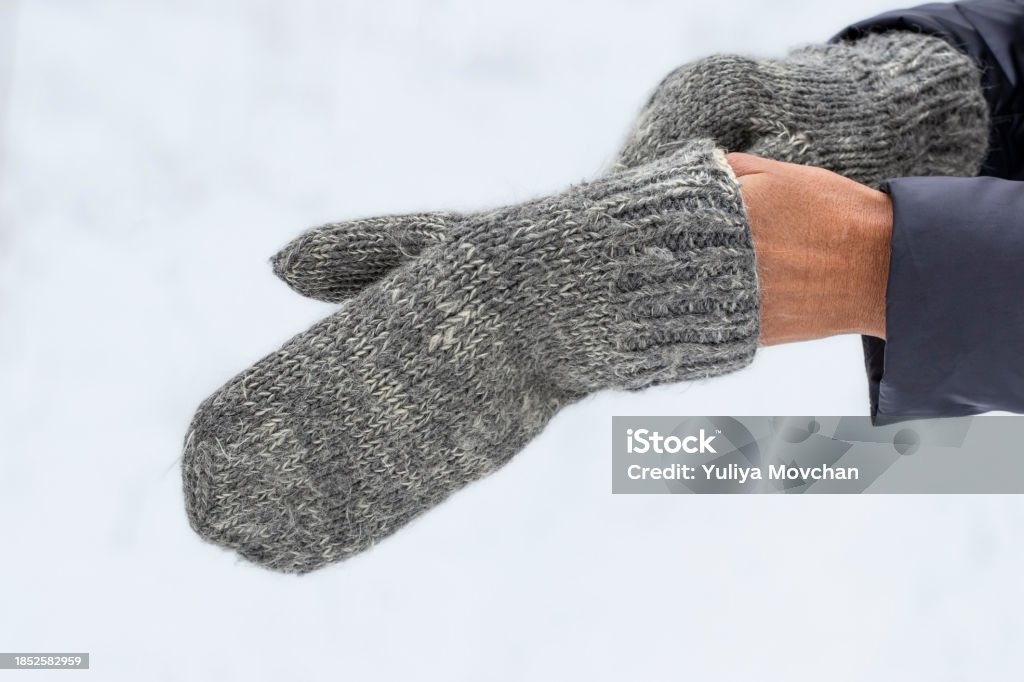
- Wear mittens (not gloves) and warm socks when the temperature drops below 65 degrees; use chemical or battery-operated hand and foot warmers
- Stash extra mittens everywhere (in the kitchen for reaching into the refrigerator or freezer, on trips to the grocery store, etc.)
- Wear comfortable shoes and socks that allow for good circulation
- Don’t hold cold drinks

Home, car, and workplace setup
- Use a space heater in the bathroom or at your office at work
- Warm up your bed with an electric blanket, hot water bottle, or flannel sheets
- Warm up your car before you leave the house and use a remote car starter
- Cover your steering wheel with a lambskin wheel cover

Lifestyle factors
- Avoid stressful situations
- Avoid not only smoking but also any nicotine products
Treatments for Raynaud’s phenomenon
Early treatment is important to help improve circulation, reduce pain, and prevent complications such as skin ulcers, which are open sores caused by inadequate blood supply to the skin. Consult with your doctor or rheumatologist regarding possible treatment for raynaud’s phenomenon in scleroderma:
- Calcium channel blockers, which relax and open blood vessels
- Alpha blockers which work to prevent blood vessels from constricting
- Other vasodilators, which relax blood vessels to keep them open
- Nerve surgery to interrupt the signals that control the opening and narrowing of blood vessels
- Injections of local anesthetics to block the nerves in hands and feet
Pregnant women in particular need to be very careful about starting or stopping new medications and should always first talk with their healthcare provider.

Raynaud’s and Digital Ulcers – Biology and Treatment Strategies (2025)
Learn what causes Raynaud’s phenomenon and digital ulcers in systemic sclerosis and explore current treatment approaches with Dr. Tracy Frech.